Get Commercial Mulching
Commercial mulching services provided by local contractors help property owners control weeds, improve soil health, and enhance landscape appearance for various project types.
Commercial mulching services offer a practical solution for property owners looking to enhance the appearance and health of their outdoor spaces. Whether managing large landscapes, flower beds, or landscaped areas around commercial buildings, mulching can help improve soil moisture retention, suppress weeds, and create a tidy, professional look. Exploring local contractors who specialize in mulching ensures access to experienced service providers familiar with the specific needs of properties in the area, making it easier to plan and coordinate landscaping projects effectively.
By comparing options among local contractors, property owners can find the right professionals to meet their landscape maintenance goals. Mulching services can be an important part of ongoing property care, helping to protect plantings and maintain a well-kept appearance. Continuing to explore local providers allows for informed decisions, ensuring the work aligns with the unique requirements of each property.
- Commercial Landscaping - when maintaining large business grounds requires effective mulching to improve soil health and appearance.
- Parking Lot Areas - for mulching around parking lot landscapes to prevent weed growth and enhance curb appeal.
- Industrial Sites - when large-scale mulching is needed to control erosion and manage debris in industrial environments.
- Business Parks - for mulching services that help create uniform, attractive green spaces across commercial complexes.
- Retail Complexes - when mulching is needed to maintain landscaped areas that draw customer attention and improve overall aesthetics.
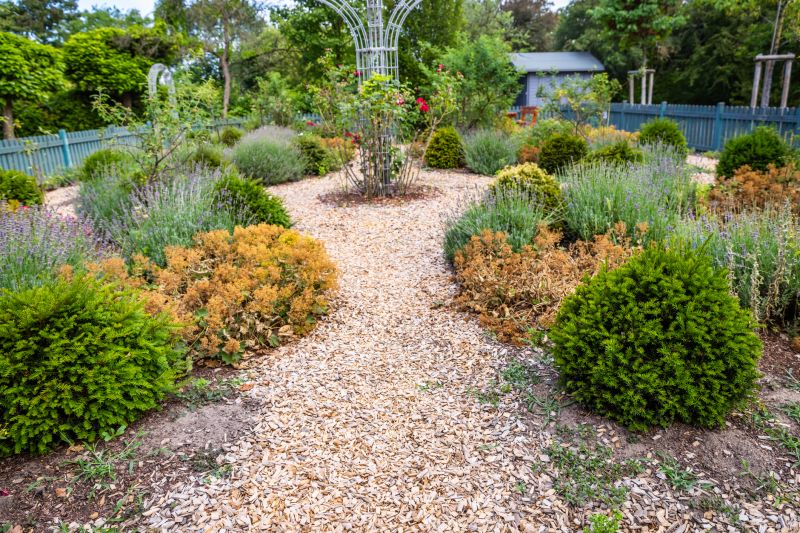
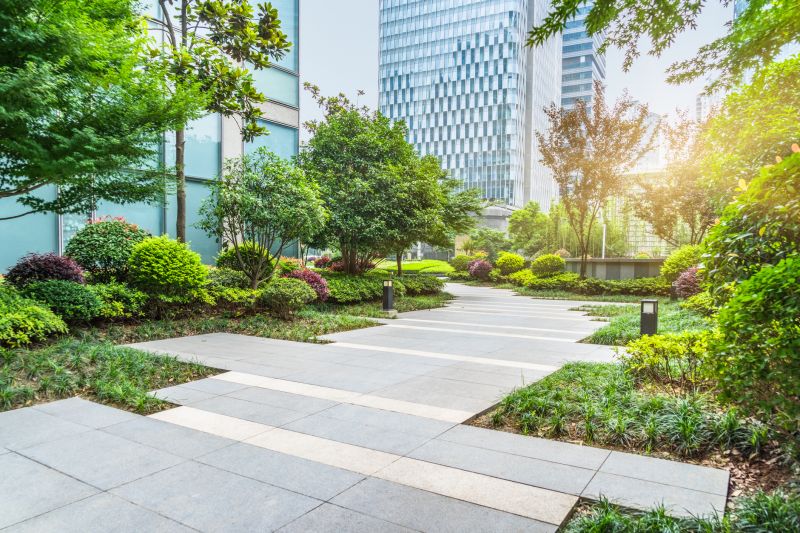
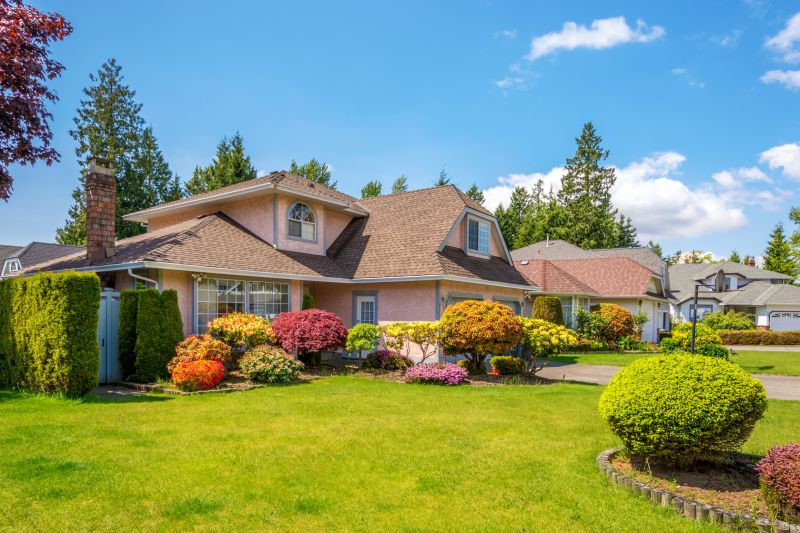
Commercial mulching services involve applying a layer of mulch material to the soil around trees, plants, and landscaped areas on commercial properties. This process typically includes spreading organic or inorganic mulch, such as wood chips, bark, or rubber, to create a protective barrier over the ground. The goal is to improve the appearance of the landscape, suppress weed growth, and help retain soil moisture. Professional contractors will prepare the area, ensure even coverage, and select the right type of mulch to suit the specific landscaping needs of the property.
Mulching helps address common landscape problems such as weed infestation, soil erosion, and excessive moisture loss. By creating a consistent mulch layer, property owners can reduce the amount of time spent on weed control and minimize the need for chemical herbicides. Additionally, mulching can prevent soil from drying out quickly, especially during hot or windy conditions, which is beneficial for maintaining healthy plant growth. It also acts as a buffer against temperature fluctuations, protecting roots from extreme heat or cold.
Many types of properties utilize commercial mulching services, including office complexes, retail centers, industrial parks, and apartment communities. These properties often have extensive landscaped areas that require regular maintenance to maintain curb appeal and functionality. Commercial mulching is also common in parks, school campuses, and other public spaces where a tidy, well-kept appearance is important. Property managers and business owners typically seek out professional services to ensure that landscaping remains attractive, healthy, and low-maintenance over time.
Homeowners with large gardens, landscaped yards, or multiple planting beds may also benefit from commercial mulching services. This work is especially useful for those looking to improve curb appeal, control weeds, or protect plants during seasonal changes. When property owners notice issues like soil erosion, excessive watering needs, or persistent weed growth, mulching can be an effective solution. By connecting with local contractors who specialize in commercial mulching, homeowners can find experienced professionals capable of delivering a clean, uniform finish that enhances the overall landscape appearance and health.
The overview below groups typical Commercial Mulching projects into broad ranges so you can see how smaller, mid-sized, and larger jobs often compare in your area.
In many markets, a large share of routine jobs stays in the lower and middle ranges, while only a smaller percentage of projects moves into the highest bands when the work is more complex or site conditions are harder than average.
Small Mulching Projects - For routine mulching around flower beds or small landscaped areas, local contractors typically charge between $250 and $600. Most jobs in this range involve straightforward applications on modestly sized spaces. Larger or more complex small jobs may approach the higher end of this spectrum.
Medium-Sized Mulching Jobs - Mid-range projects, such as mulching larger garden beds or multiple landscape sections, generally cost between $600 and $1,500. Many projects fall into this band, offering a balance between scope and cost, with fewer jobs reaching into higher tiers.
Large Commercial Mulching - For extensive mulching on commercial properties or large-scale landscaping, costs often range from $1,500 to $3,500. These jobs typically involve significant area coverage and may require specialized equipment, which can push costs higher.
Full Landscape Mulching or Replacements - Complete overhauls or major landscape mulching projects can exceed $5,000, especially for large properties or complex designs. While these larger projects are less common, local service providers can handle these extensive jobs with tailored pricing based on scope and materials.
Actual totals will depend on details like access to the work area, the scope of the project, and the materials selected, so use these as general starting points rather than exact figures.
Landscape Bed Mulching - Local contractors skilled in applying mulch to landscape beds can provide similar planning and material spreading techniques used in commercial mulching projects.
Tree Mulching and Root Zone Protection - Professionals experienced in mulching around trees utilize comparable tools and planning methods as those used in large-scale commercial mulching services.
Soil Preparation and Topsoil Spreading - Service providers who prepare and distribute soil for landscaping or planting projects employ skills similar to those needed for commercial mulching jobs.
Ground Cover Installation - Experts installing ground covers or synthetic turf often use comparable site assessment, planning, and material handling skills as in mulching services.
Landscape Renovation Projects - Contractors involved in landscape upgrades often incorporate mulching as part of their overall site planning and soil management practices.
Erosion Control and Slope Stabilization - Professionals working on erosion control projects utilize mulching techniques to stabilize soil, sharing similar planning and application skills.
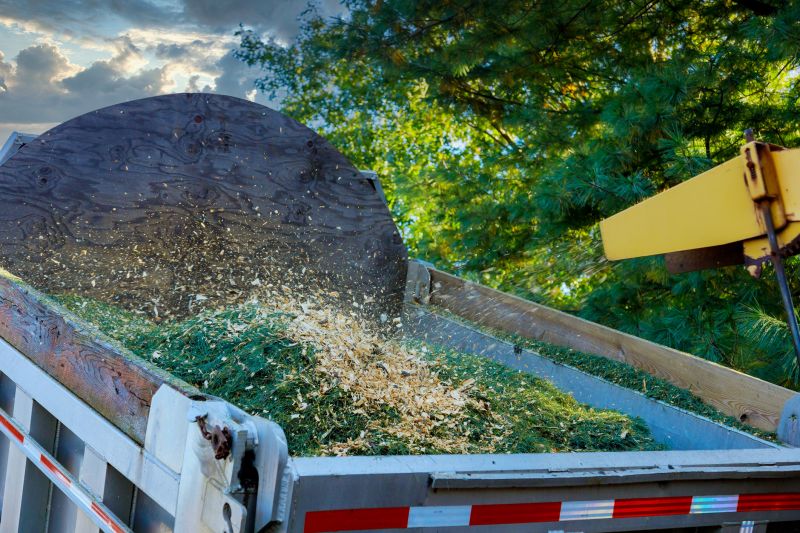
When comparing contractors for commercial mulching services, it’s important to consider their experience with similar projects. A local service provider who has handled projects comparable in size and scope can offer insights into their familiarity with the specific demands of mulching in your area. This experience often correlates with a better understanding of local soil conditions, plant types, and environmental considerations, which can contribute to a more effective and efficient job. Asking about past work or reviewing portfolios can help identify providers who have a proven track record of successful commercial mulching projects.
Clear, written expectations are essential when evaluating potential contractors. A reputable local contractor should be able to provide a detailed scope of work, outlining what the mulching process will involve, the materials used, and what the client can expect in terms of results. Having these details in writing helps ensure that both parties are aligned on the project’s goals and reduces the likelihood of misunderstandings. It’s also helpful to inquire about any warranties or guarantees offered, as these can provide additional confidence in the contractor’s commitment to quality.
Good communication and reputable references are key indicators of a reliable service provider. Local contractors who are responsive and transparent during the initial discussions are more likely to maintain a professional relationship throughout the project. Requesting references from previous commercial clients can provide valuable insights into the contractor’s reliability, work ethic, and ability to meet project expectations. While the site itself introduces homeowners to local options, it’s important to directly contact these service providers to gather information and determine which one best aligns with the project’s specific needs.
Property owners use Commercial Mulching services for practical projects around their homes and businesses. This guide focuses on everyday jobs and straightforward project options.
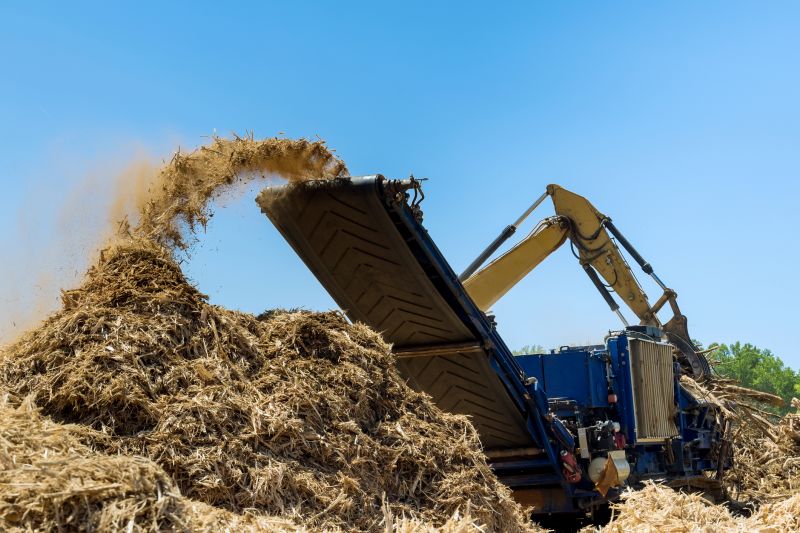
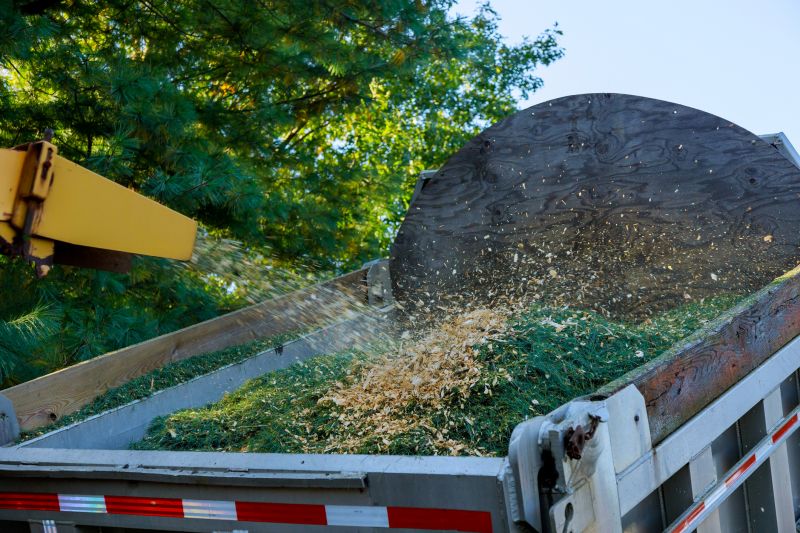
Commercial mulching services are often sought after for projects involving landscape beautification, weed control, and soil health improvement around business properties, parks, or community spaces. Property owners may look for experienced local contractors to help manage large areas efficiently, whether preparing a commercial site for new planting or maintaining existing landscaped areas to ensure a tidy, professional appearance. These services can also be useful for controlling erosion, reducing maintenance time, and creating a uniform, attractive look that enhances curb appeal.
In addition, property managers and business owners might turn to local service providers for mulching when undertaking seasonal landscaping updates or preparing outdoor spaces for special events. Mulching can help suppress weeds, retain moisture, and improve soil conditions, making it a practical choice for maintaining the overall health and aesthetics of commercial landscapes. Connecting with local contractors ensures that these projects are handled by knowledgeable professionals familiar with the area's specific conditions and requirements.
What is commercial mulching used for? Commercial mulching is used to improve soil health, control weeds, and enhance the appearance of landscaped areas around commercial properties.
How do local contractors determine the right type of mulch? They assess the specific needs of the landscape, including soil type, plant requirements, and aesthetic goals, to recommend suitable mulch options.
Can commercial mulching help with weed prevention? Yes, applying mulch effectively suppresses weed growth by blocking sunlight and creating a barrier on the soil surface.
What are common materials used for commercial mulch? Common materials include wood chips, bark, rubber, and straw, chosen based on durability, appearance, and landscape needs.
How do local service providers handle large-scale mulching projects? They plan and coordinate the work efficiently, using appropriate equipment and techniques to cover extensive areas effectively.
Enhance curb appeal - Mulching can give flower beds and landscaping a fresh, polished look to improve the overall appearance of a property.
Control weeds and pests - Applying mulch helps suppress weeds and can reduce pest issues around garden areas without the need for chemicals.
Protect plant roots - Mulch acts as an insulating layer, helping to maintain consistent soil temperatures and protect plant roots during seasonal changes.
Reduce yard maintenance - Covering bare soil with mulch minimizes erosion and makes outdoor upkeep easier by reducing mud and soil displacement.
If you are thinking about Commercial Mulching for a property, this guide is meant to help you understand the work, the typical project types, and how different options might fit your plans.
When you are ready, you can use the quote form on this page to share a few details about your project. From there, local pros can review the basics and respond with options that match what you have in mind.